



World Mental Health Day, 10 October 2026
Mental health is a pillar of human well-being, yet all too often an invisible one. According to the World Health Organization (WHO), 1.2 billion people were living with a mental health condition in 2023, nearly one person in seven, with anxiety and depression by far the most common. And distress does not strike evenly: women are around one and a half times more likely than men to experience depression, a gap linked in particular to the burden of unpaid domestic work, gender-based violence and a lack of decision-making power within the household.
Yet resources fall far short of what is needed, especially where poverty is most acute. According to the WHO, public spending on mental health stands at $65 per person in high-income countries, compared with barely 4 cents in low-income countries. In the absence of sufficiently accessible services, it is often families and communities who shoulder most of this support, without always having the tools they need to cope.
This fight is ours too. In the settings where Secodev works, notably in Africa’s Great Lakes region, economic vulnerability, food insecurity and, in places, the aftermath of past or ongoing conflicts in the region weigh heavily on families’ psychological well-being.
On the ground, we see the consequences every day. According to the psychologists on our projects, depressive symptoms are the most frequently observed among the families we support, followed by social isolation, low self-esteem, and anxiety. These difficulties often feed into one another. After a shock such as the death of a loved one, a person or family loses part of their support network and finds themselves alone. They gradually stop taking part in community life, cooperatives or savings groups, cutting themselves off from both relationships and resources. Being unable to meet the household’s needs then gives rise to a feeling of being overwhelmed, which fuels family tensions and sometimes leads to domestic violence. For these families, psychological distress is not merely a consequence of poverty: it can also hold back their own efforts to escape it.
That is why, rather than making it a separate programme, we have chosen to place this dimension at the heart of our approach, through two complementary levers: psychosocial support for families and securing their livelihoods.
The first lever is psychosocial support, delivered today through our methodology, the Integrated Plan for Self-Advancement (Plan Intégré pour l’Auto-promotion). Its principle is simple: families themselves define their priorities and build their own solutions. Designed from the outset with a Burundian partner organisation, and explicitly intended to take psychological well-being into account, the approach relies on trained facilitators, as well as on the social workers and psychologists of our local partner organisations. Household members begin with a collective self-assessment of their situation, then look ahead together towards a shared future, in a calm dialogue where the mental load is shared between spouses and where everyone, children included, has a place in decision-making. This support is long-term and does not stop at the front door: the approach is also rolled out within cooperatives and savings groups. There, it creates a collective momentum that breaks down isolation, strengthens mutual support and enables those who had drifted away to find their place in the community once more.
Building on this foundation, the second lever aims to secure livelihoods through agroecology and support for entrepreneurship. Food insecurity and economic hardship are, along with violence and inequality, among the main risk factors for psychological distress identified by the WHO. By adopting practices such as crop diversification, composting, agroforestry and rainwater harvesting, families become more resilient to climate shocks and can look to the future with greater peace of mind. The impact goes well beyond what is on the plate: learning new techniques, seeing them bear fruit or starting one’s own business also means recognising one’s own abilities. Self-esteem grows, and with it the household’s capacity to cope with the unexpected. While it is no substitute for psychological support, this stability provides the essential ground in which such support can take root.
The results observed among families supported in Burundi and Rwanda bear this out: beyond higher incomes and restored food security, what is emerging, family after family, is eased tensions at home, a decline in domestic violence and renewed confidence. For psychological well-being is not built only in a therapist’s consulting room: it is also built, very concretely, in a home where everyone has enough to eat, where decisions are made together and where people can at last speak freely.
A World Day is not enough on its own. It draws attention for a single day, but cannot heal suffering kept silent for years, out of reticence or for want of words to name it. What needs to change runs deep: in how mental illness is perceived, in access to care, in relationships within households. This cannot be achieved by decree. It is slow, patient work, carried out family by family. It is precisely the work Secodev carries out alongside families who, every day, are striving to take their future back into their own hands, and work we will continue long after 10 October.
Closer to home, too, mental health concerns us all: an exhausted loved one, a colleague who is withdrawing, a time when we ourselves feel overwhelmed. We know how much it matters, at such moments, to be able to talk and to have people around us. That is the support Secodev helps to build where it is most lacking. By supporting our projects, you stand alongside families who are rebuilding, through their own efforts, confidence, security and the bonds around them.
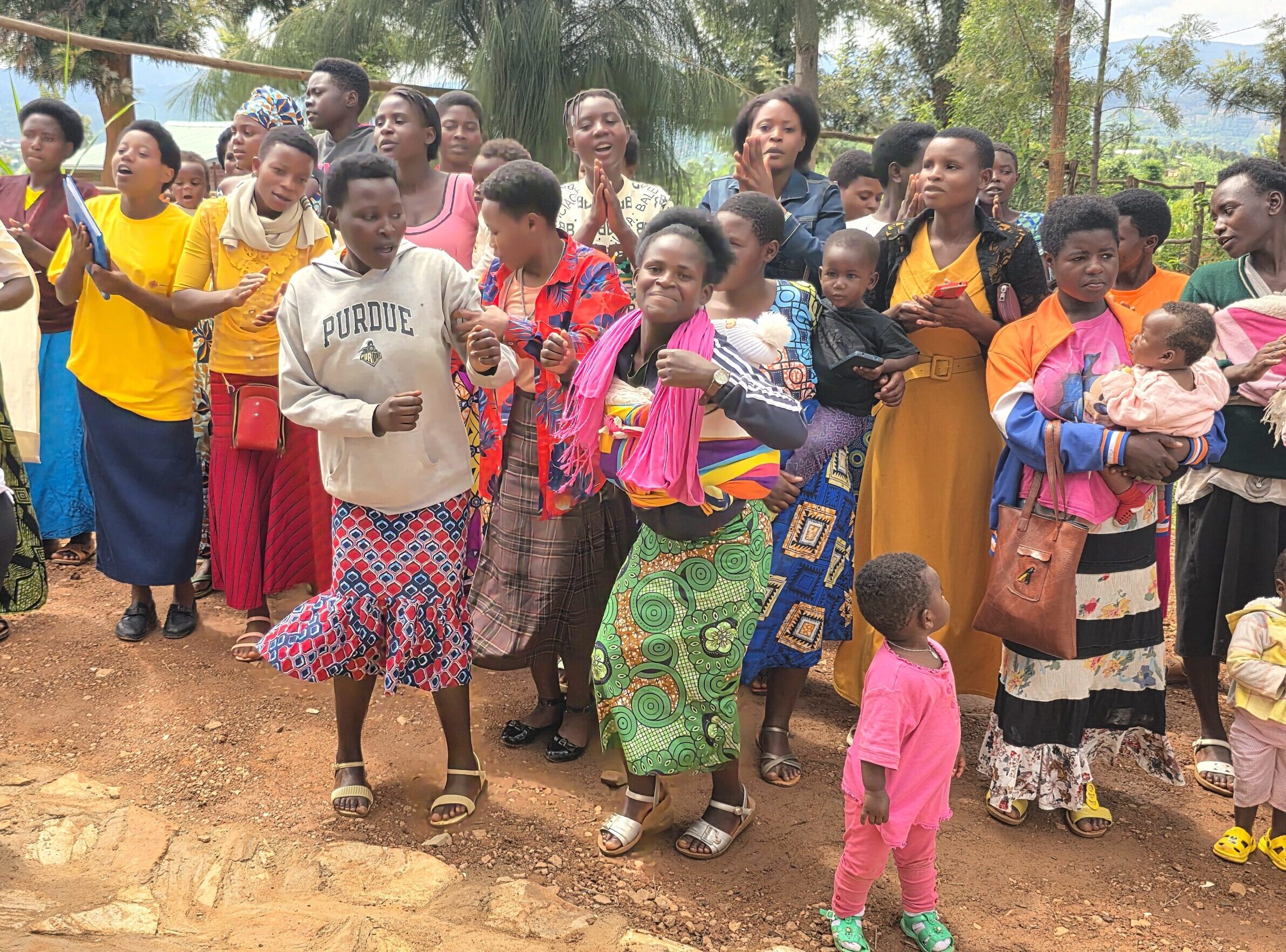
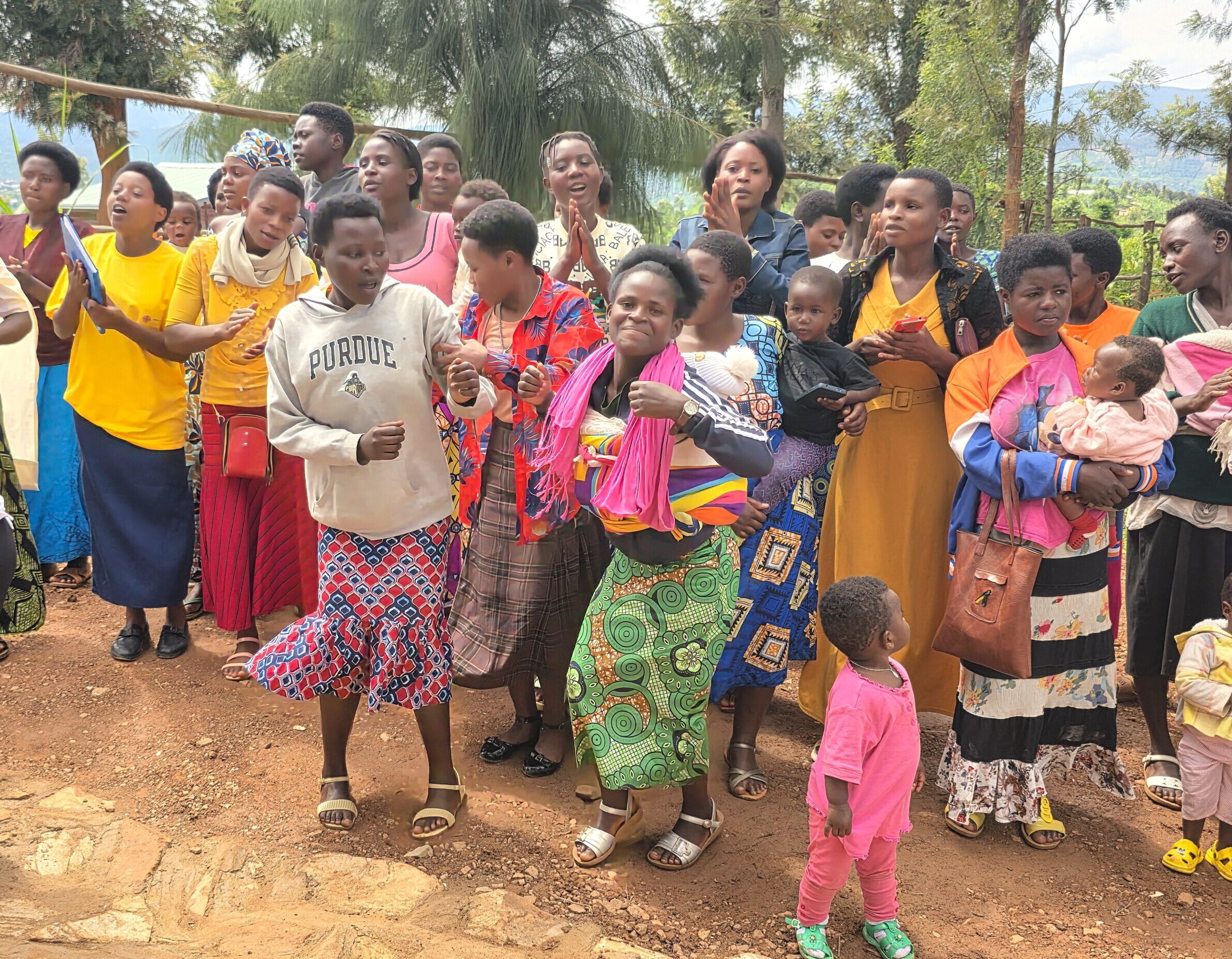
Members of a cooperative of young single mothers in Rwanda dancing after a play about mental health.