



In Burundi, several dozen kilometres of contour lines have been laid out, in collaboration with local authorities, to prevent erosion and protect the farmland of several hundred vulnerable families. This type of intervention reflects a core conviction at SECODEV: no agricultural progress is sustainable without a protected environment.
For SECODEV, climate resilience is not a goal separate from the rest of its work: it is what makes that work last. No agricultural improvement or economic empowerment can be sustained over time without caring for the environment on which it depends.
Agroecology offers a far-reaching response to these challenges. By reducing dependence on chemical inputs, diversifying crops and restoring soil health, it strengthens both agricultural productivity and farms’ ability to withstand climate hazards. Practices such as producing organic fertiliser locally and conserving farmers’ seeds adapted to local conditions complement this approach.
Beyond farming practices, the programme includes measures to protect and regenerate natural resources: reforestation, farmer-managed natural regeneration, agroforestry, rainwater management and erosion control. These go hand in hand with awareness-raising work carried out close to the communities, so that they become the primary guardians of their environment and protect today the resources that will make their development possible tomorrow.
The impact of human activity on the environment and global warming do not spare the countries where SECODEV works, posing a serious threat to their development. Future environmental and climate-related disasters could wipe out the progress made so far. SECODEV and its partners therefore raise awareness among local communities of the environmental challenges facing their regions.
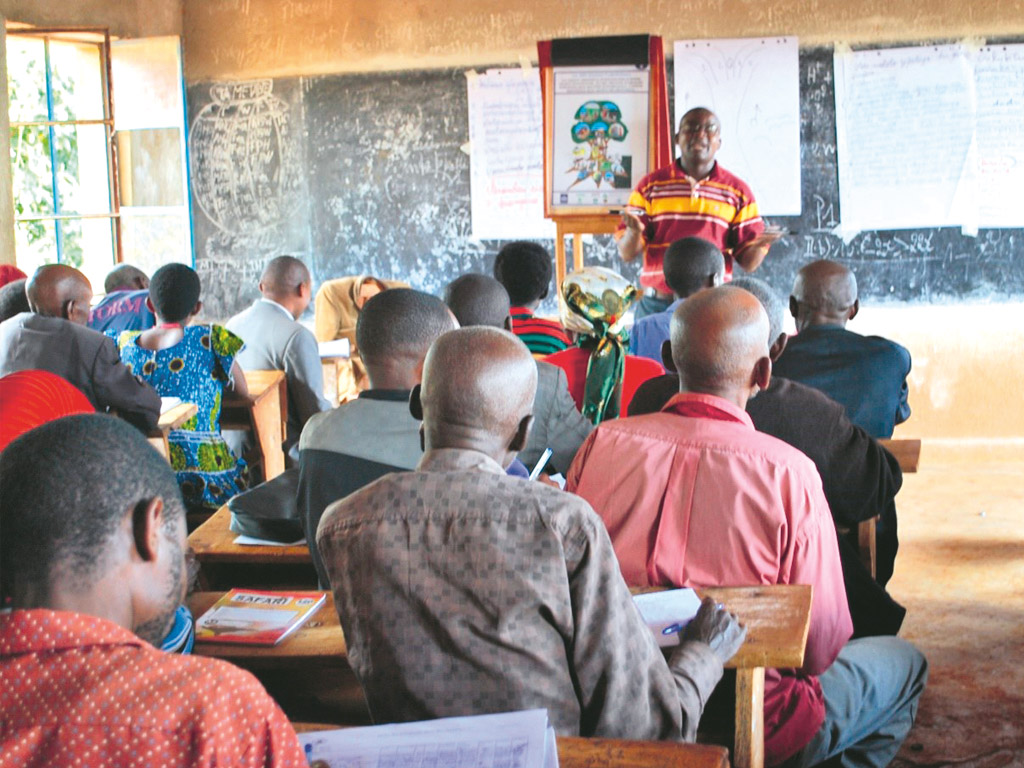
By training farmers in more sustainable and environmentally friendly agricultural techniques, and by highlighting the importance of protecting the environment for the future, the organisation seeks to mobilise them to take action. In doing so, they can help secure better living conditions for themselves and their families in the long term.